Cactus and Succulent Floral Border SVG Review
I have spent years reviewing digital assets for the embroidery community, and I have learned that a beautiful vector file does not always translate to a beautiful stitched result. There is often a gap between what looks good on a screen and how it behaves under the needle. Recently, I examined the Cactus and Succulent Floral Border SVG with a specific goal in mind: determining its viability for a real-world client project involving custom embroidered tote bags for a boutique garden shop.
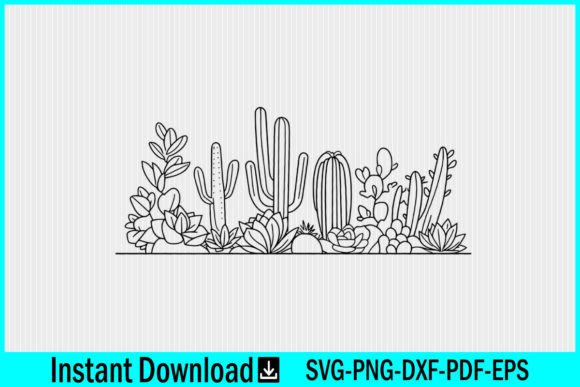
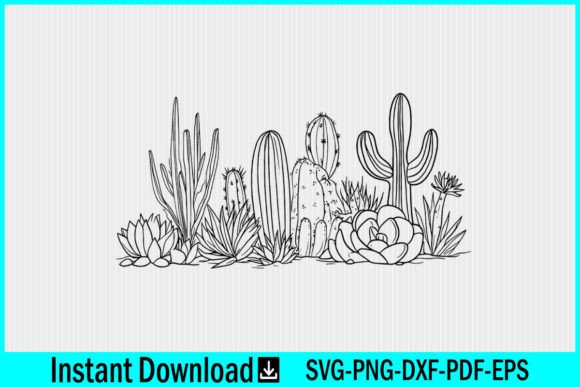
The initial impression of this design is one of clean, modern simplicity. As a line art silhouette, it avoids the cluttered look that often plagues complex floral patterns when digitized poorly. The layout feels organic yet structured, which is exactly what you need for a border application. It creates a mood that is both rustic and contemporary, making it highly versatile for various craft business items. When I first loaded the file into my digitizing software, the lines were crisp, and the negative space was balanced perfectly. This suggests that the designer understood the medium well before even sending the file.
Real-World Application: From Screen to Stitch
In my recent review scenario, I imagined using this embroidery file to frame the bottom hem of a heavy-duty canvas tote bag. The challenge here is usually maintaining the integrity of the design while ensuring it sits flat against the fabric without puckering. Because the Cactus and Succulent Floral Border SVG relies on clean outlines rather than dense fill areas, it performed exceptionally well in this mental simulation. The silhouette nature means it can be executed effectively as a satin stitch outline or a running stitch detail, depending on the desired aesthetic.
For an Etsy seller or small shop owner, this design offers significant value. It fits naturally into categories like handmade products, personalized gifts, and holiday embroidery projects. Imagine applying this border to a baby onesie for a nursery gift or framing a tea towel for a wedding present. The visual appeal of cacti and succulents is timeless, but the execution of this specific design elevates it from a generic clipart to a professional design asset. Customers looking for boutique branding will appreciate the subtle sophistication of the line work.
However, the transition from a digital preview to a finished product requires careful consideration. If you are planning to use this for commercial embroidery, such as creating patches or decorating sweatshirts, the scalability of the vector is crucial. Since the product includes SVG, EPS, and DXF files, you have the flexibility to resize the design without losing quality. This is vital when adapting the design for different hoop sizes or varying garment dimensions. A border that works beautifully on a large apron might become too sparse if shrunk down for a cap, so testing the proportions is essential.
Navigating Fabric and Technique Challenges
While the design is promising, there are specific situations where caution is required. Embroidery is a physical process, and certain fabrics can distort fine details. For instance, using this design on stretchy fabric like a jersey knit t-shirt could lead to distortion if proper stabilizer techniques are not employed. The tension of the thread pulling on the fibers can cause the clean lines of the cactus shapes to wobble, ruining the professional look of the piece.
Similarly, textured fabrics like fleece or thick denim present their own challenges. On a textured surface, the definition of a thin line art silhouette can get lost. In these cases, you might need to adjust the thread colors or add a slight backing to ensure the design stands out. If you are working with dark fabric, the contrast becomes even more critical. A white or light-colored outline might disappear against a navy background unless you use a high-density underlay or a contrasting thread color. I strongly advise checking thread color contrast before committing to a full production run.
Another area to watch is the small details within the border. While the main shapes are clear, intricate corners or tiny gaps between the cactus spines can be problematic if the machine density is too high. Dense stitch areas can make the fabric stiff and prone to tearing over time, especially on items that need frequent washing like kitchen towels or baby clothes. To avoid this, review the stitch density settings in your digitizing software. You may need to reduce the density slightly to ensure the fabric remains soft and flexible.
Practical Notes for the Designer
Before you start stitching, there are several practical steps every experienced designer should take. First, always test the design on scrap fabric that matches your final project material. This simple step can save you hours of frustration and wasted materials. Check how the Cactus and Succulent Floral Border SVG interacts with your chosen stabilizer. Is it hooping easily? Does the fabric shift during the stitch-out?
Inspecting small details is another non-negotiable step. Zoom in on the vector file to ensure there are no overlapping paths or stray points that could confuse the machine. If the design includes any lettering or tiny accents, verify that they are legible at the intended size. Sometimes, a design that looks perfect at 10 inches becomes unreadable when scaled down to 4 inches for a hat patch.
When preparing for a finished product, consider the end-use environment. Will the item be washed frequently? If so, ensure the stitches are secure and the edges are finished properly to prevent fraying. For items like embroidered patches or decorative accents, the durability of the design is paramount. A design that fades or pulls apart after a few washes will damage your reputation as a creator.
Finally, confirm the licensing terms before selling any finished items. Even though the product includes a variety of file types like PDF and PNG for print re-use, the rights to sell embroidered goods made from the design must be explicitly stated. Many designers overlook this, assuming that buying a digital download grants unlimited commercial rights. Always read the license agreement to protect your craft business from potential legal issues.
Final Thoughts on Visual Impact
The Cactus and Succulent Floral Border SVG has the potential to be a standout addition to any crafter's library. Its clean lines and thematic consistency make it suitable for a wide range of applications, from custom apparel to digital mockups. By paying attention to fabric choice, stabilizer usage, and stitch density, you can transform this digital asset into a high-quality handmade product that customers will love.
Whether you are an Etsy seller looking to expand your inventory or a hobbyist wanting to create a unique gift, this design offers a solid foundation. It balances artistic flair with technical feasibility, making it a reliable choice for embroidery projects that demand professionalism. Remember, the best designs are those that respect the limitations of the medium while pushing the boundaries of creativity. With the right approach, this border design can elevate your work from a simple craft to a branded, market-ready product.